Northern Lights May Dazzle South Dakota This Week
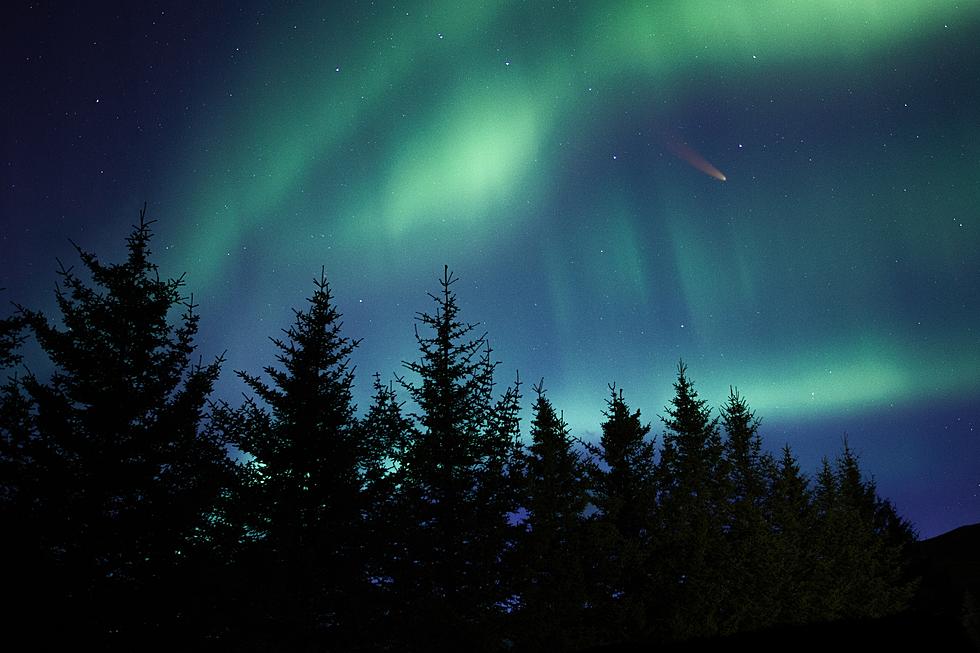
Get ready for another potentially spectacular show in the skies above South Dakota.
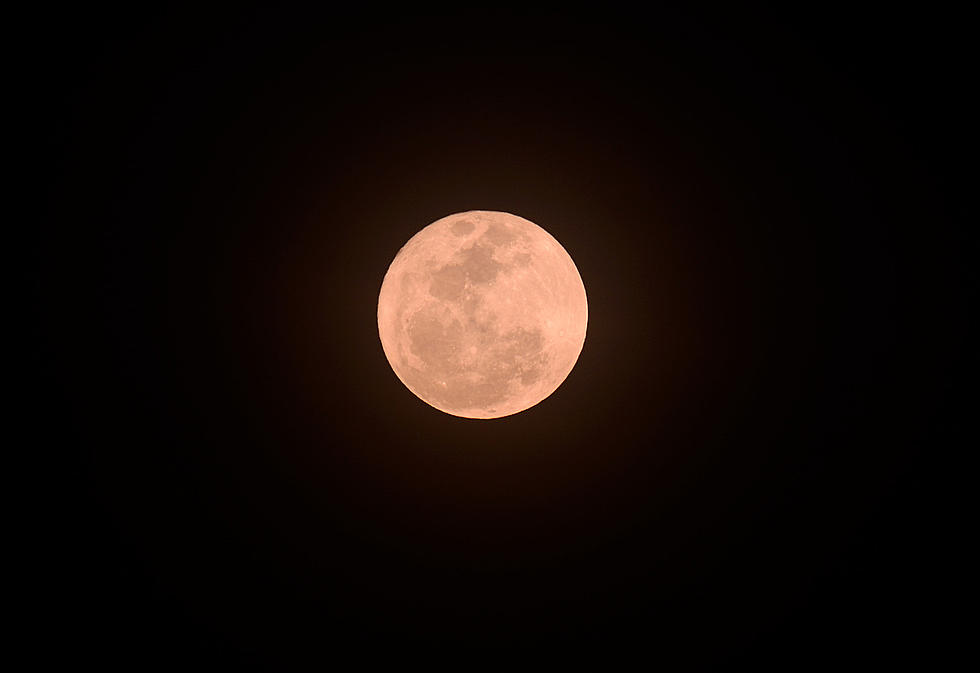
The Mount Rushmore State is one of nearly two dozen states in the prime viewing area for the latest round of Northern Lights on Thursday (June 4) and Friday (June 5). That's when forecasters predict up to G4-strength geomagnetic storms. A bright waning gibbous moon will rise after midnight and brighten the pre-dawn sky, potentially interfering with faint aurora.
According to NOAA, isolated periods of G1 geomagnetic storming Thursday are expected due to three separate sources of solar wind disturbances that may all reach Earth around the same time, increasing the chances of aurora.
Friday, a G3 or even G4 geomagnetic storm could bring auroras to mid-latitudes, affecting as many as 23 states.
READ MORE: Sioux Falls Sandwich Shop Makes Midwest Living's Top Ten List
Forecasters are monitoring a possible coronal mass ejection launched from the Sun on May 30, a co-rotating interaction region (where fast solar wind compresses slower-moving material ahead of it), and a high-speed solar wind stream flowing from a hole in the Sun's corona (its outer atmosphere). Any one of these can trigger auroral activity. Still, when they arrive in close succession or overlap, their effects can reinforce each other, increasing the likelihood of geomagnetic disturbances — and aurora.
A G4 geomagnetic storm may mean the aurora is visible from many U.S. states, likely on the northern horizon. States with the potential to see northern lights include the northern parts of Washington, Idaho, Montana, Wyoming, North Dakota, South Dakota, Minnesota, Wisconsin, Michigan, New York and Maine. States farther south also with a chance include Oregon, Nebraska, Iowa, Illinois, Indiana, Ohio, Pennsylvania, Massachusetts, Connecticut, Rhode Island, Vermont and New Hampshire. However, states farther north will always have the best odds.
A useful way to see what may soon become visible in North America is to check aurora webcams around the world. It's also worth checking SpaceWeatherLive.com, as well as apps such as Aurora Now, My Aurora Forecast, SpaceWeatherLive or Glendale Aurora, which provide live solar wind data.
As always with Northern Lights, your experience may vary depending on ever-changing conditions.
Good luck!

LOOK: The states with the most UFO sightings
Gallery Credit: Nicole Caldwell & Matt Albasi
LOOK: The longest highways in America
Gallery Credit: Hannah Lang
LOOK: Explore the iconic buildings from every state
Gallery Credit: Aine Givens
More From KYBB-FM / B102.7