

Winter’s Coming: How to Prepare Your Home in South Dakota
The leaves are changing, Halloween stuff is in the stores, and jerks are mad at a coffee drink - it must be fall!
And you know what fall in South Dakota means? That's right, winter is just around the corner. While we're enjoying the crisp fall air and the crunchy leaves, ol' Jack Frost is loading up his snow makers.
Don’t Get Caught Cold: South Dakota Winter Prep Guide
That means that now is a good time to get your home ready for winter. Whether a house or an apartment, there are some simple things you can do to be ready for the darkest part of the year.
In a standard home, the three big worries during the winter are going to be staying warm, getting snowed in, and losing power.
RELATED: Know the Difference Between a Winter Watch and Warning?

Staying Warm in Your Home
First thing, check around your home for drafts and heat leaks. Check the windows and doors. Is air getting through somewhere? You gotta plug those holes.
Keep out the cold with insulation, caulking, and weather stripping. I've always found that covering the windows in plastic works well. You know, those 'kits' at the store. Plus, as a bald guy, it's the one time a year I use a hairdryer.
Is the furnace ready? Change the filter and turn it on. It's better to find out there's a problem with the furnace now than on a ten-degree November morning.
Look for pipes that could freeze. Exposed pipes, like in a basement, and pipes inside exterior walls could freeze. Now is the time to insulate where you can.
RELATED: How to Prevent Frozen Water Pipes on Cold South Dakota Days

Be Ready to Get Snowed-In
There's a pretty good chance you'll wake up one winter morning and find your doors blocked by snowdrifts. Even if you can dig out, chances are the roads are closed. So nobody is going anywhere. Think about that now and be ready.
Ensure you maintain a sufficient supply of medications that people in your home require, for at least a couple of days. The same goes for pet food.
Check now that you have a working radio, working flashlights, and extra batteries. Keep them in an easily accessible place.
When you're grocery shopping, grab an extra can of soup or something similar each time you go. You don't need a shelf-lined basement full of provisions. However, having a little extra food with a long shelf life on hand is never a bad idea.
Test the smoke alarms and carbon monoxide detectors in your home and be sure they have fresh batteries.
Now is also a good time to find the snow shovel, or get yourself one.
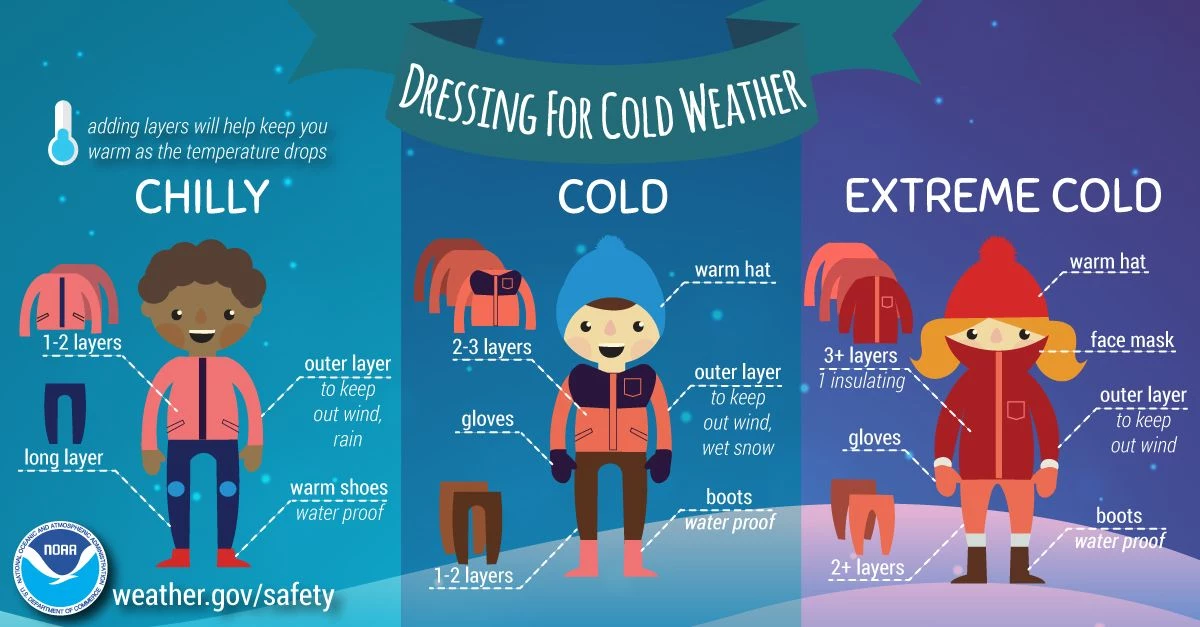
Dress to Keep Warm
It's time to get your coats, hats, gloves, and boots out. Check if everything is in good shape and still fits. If it's time for a new coat, hat, gloves, or boots, spend a little extra if you can and get a good quality product. You don't need to spend hundreds of dollars; just something sturdy. A good coat is worth it.
In my house, this is the time we dig out the extra blankets and give them a good wash. The same goes for all the warm clothes that we put away in the spring.

SOURCES: Ready.gov, National Weather Service
Essential Winter Emergency Kit Items
Gallery Credit: Connor Kenney/Townsquare Media Quad Cities


