
Do Tornadoes Really Mostly Go Around Big Cities Like Sioux Falls?
Some folks say that tornadoes and big storms go around big cities like Sioux Falls. Fact or Myth?
A tornado touched down in Sioux Falls was July 17, 1989, causing extensive damage to six houses in western Sioux Falls.
On Sept. 10, 2019, shortly after much of the city had gone to sleep for the night, Sioux Falls was hit by three separate tornadoes.
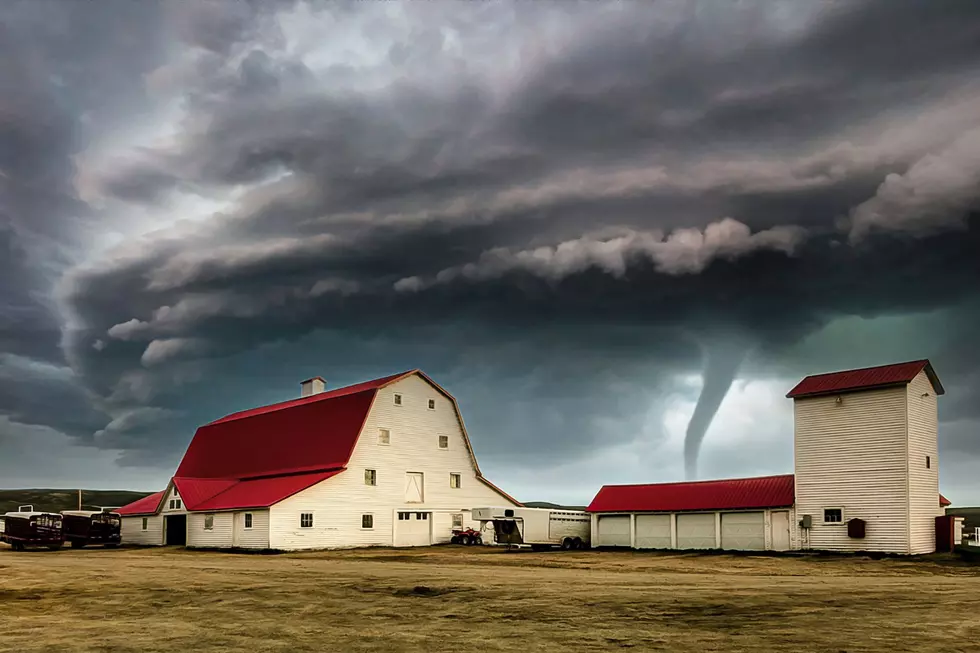
These tornadoes caused significant damage and injuries, definitively proving that no mystical barrier protects the city.
While it's true that downtown tornado strikes are relatively rare, this isn't because cities possess some magical tornado-repelling force.
The idea that tornadoes avoid major cities is one of meteorology's most persistent myths.

The Numbers Tell the Story
Large metropolitan areas cover only a tiny fraction of the total land area.
The odds of a tornado hitting any specific location, including city centers, are naturally low.
Heat Islands and Urban Myths
Some believe urban heat islands, where cities run warmer than surrounding areas, disrupt tornado formation.
While heat islands do affect local weather patterns, they're not tornado shields.
The atmospheric forces that create tornadoes operate on much larger scales than city-generated heat effects.

Rural tornadoes often go unnoticed except by storm chasers and radar.
Urban areas have more eyes, better documentation, and media coverage, but they also have more structures that can be damaged, making impacts more memorable.
The bottom line? Tornadoes follow atmospheric physics, not property values.
No city is immune, and emergency preparedness remains essential regardless of your zip code's population density.
How Many Bear Attacks In Minnesota Boundary Waters Canoe Area?
Gallery Credit: Black Bears-Canva