
Do You Know How Did Sioux Falls Get All Its Colorful Trees?
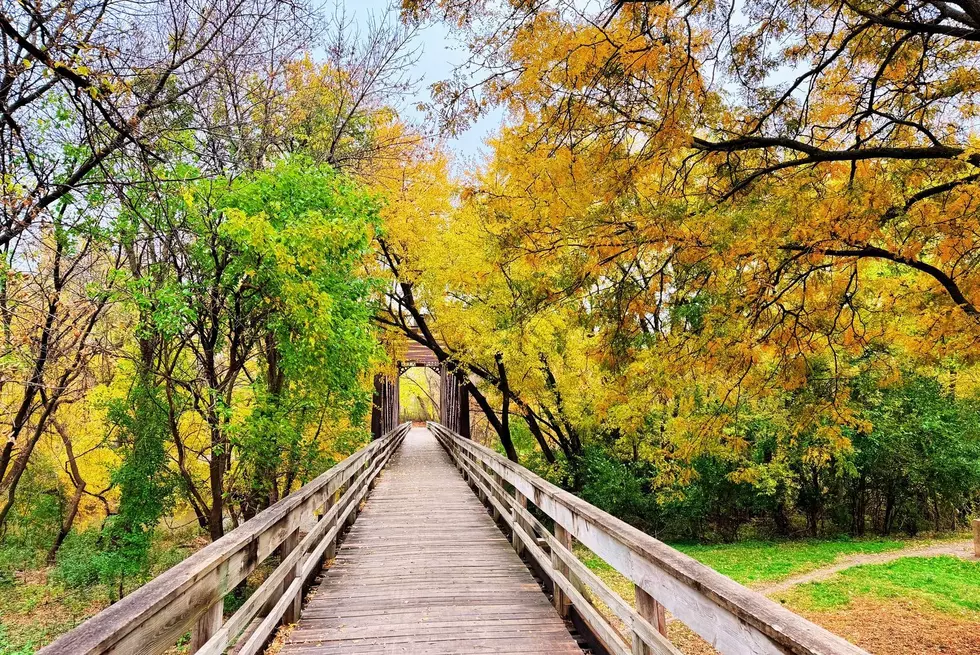
If you've been around Sioux Falls lately, you've probably noticed something pretty spectacular: the trees are putting on a colorful fall show!
From bright yellow leaves to fiery orange and deep red, fall has transformed the city into a beautiful autumn landscape.
But have you ever wondered how Sioux Falls ended up with so many colorful trees in the first place?
The answer goes back generations, when planting trees became an important part of making Sioux Falls a more attractive and livable place.
As the city grew, early settlers, residents, property owners, and city leaders planted trees along streets, in parks, and around homes.
Over time, those plantings helped create the leafy neighborhoods and colorful streets we enjoy today.
Sioux Falls has a mix of tree species, including maples, oaks, ash trees, and other varieties.
Each responds differently to autumn weather, giving the city a wide range of fall colors.
The science behind the show is pretty interesting, too. During the growing season, leaves appear green because of chlorophyll, the pigment that helps trees turn sunlight into energy.
As autumn brings shorter days and cooler temperatures, trees slow down chlorophyll production. This allows yellow and orange pigments that were already in the leaves to become visible.
Red and purple colors develop in some leaves as sugars become trapped and produce anthocyanins.
Anthocyanins are water-soluble plant pigments that create red, purple, blue, and black hues in flowers, fruits, vegetables, and tree leaves.
Weather also plays a role. Sunny days, cool nights, and adequate moisture earlier in the season can help produce especially vibrant colors.
So, the next time you take a drive through Sioux Falls, enjoy the scenery. The city's colorful fall display is the result of decades of tree planting, a variety of tree species, and a little help from Mother Nature!
Sioux Falls To Iceland And Back...Magical Journey!
Gallery Credit: Ben Davis / Canva

